Few characters capture the enduring spirit of longing and transformation quite like Ariel, the fiery-haired protagonist of The Little Mermaid. Her journey, often dubbed "The Mermaid's Arc: Character Development & Motivations," isn't just a simple fairy tale; it’s a profound exploration of identity, rebellion, and the pursuit of a world beyond the familiar. We’ll dive deep into what makes Ariel tick, how her character has evolved across various adaptations, and what lessons her story holds for anyone fascinated by compelling narrative.
At a Glance: Ariel's Enduring Appeal
- Core Drive: An insatiable curiosity and desperate longing for the human world.
- Key Traits: Bold, reckless, determined, passionate, and yearning for freedom.
- Evolution: From Hans Christian Andersen's tragic, soul-seeking mermaid to Disney's empowered, self-determining heroine.
- Central Conflict: Tradition (underwater world) versus modernity (human world, self-expression).
- Transformative Arc: Moves from naive curiosity to active agency, culminating in self-discovery and bridging two worlds.
- Lasting Impact: A pivotal figure in evolving female protagonists in storytelling, emphasizing personal desire and empowerment.
The Enduring Allure of a World Unknown
Imagine living in a kingdom of boundless blue, surrounded by wonders, yet feeling an undeniable pull toward the forbidden. That's Ariel's dilemma, the very core of what fuels her character. Her "Mermaid's Arc" isn't merely about finding a prince; it's a testament to the universal human desire to explore, to belong, and to define oneself against the tide of expectation. From her earliest literary roots to her most recent cinematic portrayals, Ariel’s evolution mirrors society’s changing views on agency and identity, making her a continually relevant and beloved figure.
From Ink to Animation: Ariel's Evolving Persona
Ariel’s story didn't begin with a catchy song. Her journey through various adaptations highlights a fascinating trajectory in character development, reflecting different eras and artistic interpretations. Understanding these versions is key to grasping the full scope of her motivations.
Andersen's Lament: The Soul's Quest
Hans Christian Andersen’s original 1837 tale presents a far more somber and complex Ariel. This young mermaid, naive and vulnerable, harbors a deep, almost existential longing for the surface world years before she ever sees a prince. Her primary motivation isn't romance but the pursuit of an immortal human soul, which mermaids supposedly lack. She sacrifices her family, her beautiful voice, and even her very longevity for a chance at this soul, making a desperate bargain with the Sea Witch.
In this poignant version, Ariel is self-sacrificing to the extreme, enduring agonizing pain with every step on human legs. Her prince ultimately marries another, and Ariel is faced with the choice to kill him to regain her mermaid form. Unable to commit such cruelty, she dissolves into sea foam, only to become a "daughter of the air," destined to earn her soul through good deeds over 300 years. This Ariel is a tragic figure, driven by a profound spiritual yearning rather than youthful infatuation, and her suffering underscores themes of unrequited love and the brutal cost of desire.
Disney's Daring Dreamer: A World Above
The 1989 Disney animated film, featuring Jodie Benson's iconic voice, reimagined Ariel for a new generation. This Ariel is endearing, captivating, and still delightfully naive, but her driving force shifts dramatically. Her desperate desire is to be part of the human world – to walk, to dance, to experience everything above the waves. She's bold, reckless, and fiercely determined, embodying a vibrant passion that makes her instantly lovable.
Despite losing her voice, her expressive personality carries her interactions, demonstrating her inner strength. While she still falls for Prince Eric, her initial motivation for the bargain with Ursula is primarily to escape the confines of her underwater life and join the world she so admires. Though often categorized as a "damsel in distress" needing rescue by Eric, her active defiance of Ursula and relentless pursuit of her dreams marked a significant departure from more passive Disney princesses, setting a new standard for animated heroines. This version undeniably captured a generation, showing us how Disney heroines evolved from earlier archetypes how Disney heroines evolved.
Broadway's Poignant Plea: Love and Acceptance
The Broadway musical adaptation further expands on Ariel's internal landscape. Sierra Burgess's portrayal highlights a strong spirit and uncrushable dreams, giving Ariel a heavenly voice that underscores her deep yearning. This Ariel desires not only to be human but to be loved and accepted for who she is, whether mermaid or human. Her quest for identity is intertwined with a desire for connection and understanding, lending a new hope and emotional depth to her character. She grapples more explicitly with her father's disapproval and her own sense of being an outsider, even within her own world.
Auli'i's Rebellious Resolve: Charting Her Own Course
Auli'i's specific adaptation of Ariel focuses heavily on optimism, youth, and a pronounced rebellious streak. This version emphasizes Ariel's desire for independence on her own terms, determined to get what she wants regardless of the consequences. Here, Ariel's departure is less about finding a prince and more about finding a future that truly suits her, one where she can be authentically herself. This interpretation makes her a strong figure for those seeking self-determination and resonates with audiences who champion individual freedom and the right to forge one's own path.
Halle Bailey's Unstoppable Spirit: Agency Redefined
The recent live-action adaptation, starring Halle Bailey, brings Ariel’s agency to the forefront. This Ariel has a distinct independent voice, taking initiative and responsibility for her actions without relying solely on side characters or chance. Her desire for the human world is depicted as a deeper existential need; she feels her underwater home is no longer home for her. She actively takes control of her narrative, refusing to accept defeat, and is decidedly not a damsel in distress. This portrayal embodies an "unstoppable" spirit, focusing on her intrinsic drive for discovery and self-realization, making her choices deliberate and her courage palpable. This iteration showcases the power of transformation in storytelling the power of transformation in storytelling more than ever before.
The Heart of the Matter: Ariel's Core Motivations
Regardless of the adaptation, certain core traits and motivations consistently drive Ariel’s journey, shaping her character development and the story's overall arc.
An Insatiable Curiosity: Beyond the Reef
Ariel's defining characteristic is her insatiable curiosity about the human world. It's not just a passing interest; it's a deep-seated fascination that borders on obsession. She meticulously collects human artifacts, learning about their culture through inanimate objects and the occasional glimpse of surface dwellers. This curiosity is the primary catalyst for her actions, pushing her to bravely face the unknown and risk everything for a taste of what lies beyond her familiar world. It’s a powerful motivator that makes her relatable to anyone who has ever felt the pull of the unexplored.
The Call for Freedom: Breaking the Waves
More than just curiosity, Ariel yearns for freedom—freedom from the rigid rules and traditions of her father’s underwater kingdom. She feels constrained, misunderstood, and stifled by the expectations placed upon her as a princess. This desire for autonomy fuels her willingness to defy King Triton, make dangerous deals, and ultimately sacrifice her voice. It's about wanting to experience life on her own terms, to make her own choices, and to chart her own destiny, contrasting starkly with the established norms of her society. This echoes a fundamental human desire for self-expression.
A Quest for Identity: Bridging Two Worlds
Ariel's entire journey can be seen as a profound quest for self-identity. She feels torn between her duties as an Atlantican princess and her burgeoning dreams of a human life. This internal conflict adds immense depth to her character; she isn't just running away, but running towards a true sense of self. Her transformation from mermaid to human is not just physical; it symbolizes her struggle to reconcile these two parts of herself and find where she truly belongs. It’s a relatable struggle for anyone navigating adolescence or feeling like an outsider.
Love, Connection, and a Human Heart
While her initial motivations are broader, her fascination with Prince Eric quickly becomes a significant driver. She is drawn to his kindness, his adventurous spirit, and the sense of belonging he offers. Their connection isn't just about superficial attraction; it represents the human connection and acceptance she craves. Eric becomes a tangible symbol of the world she longs for, making her sacrifices feel purposeful and her pursuit of love a pathway to the identity she seeks. This aspect grounds her grand desires in a very human, emotional context.
Charting the Arc: Ariel's Transformative Journey
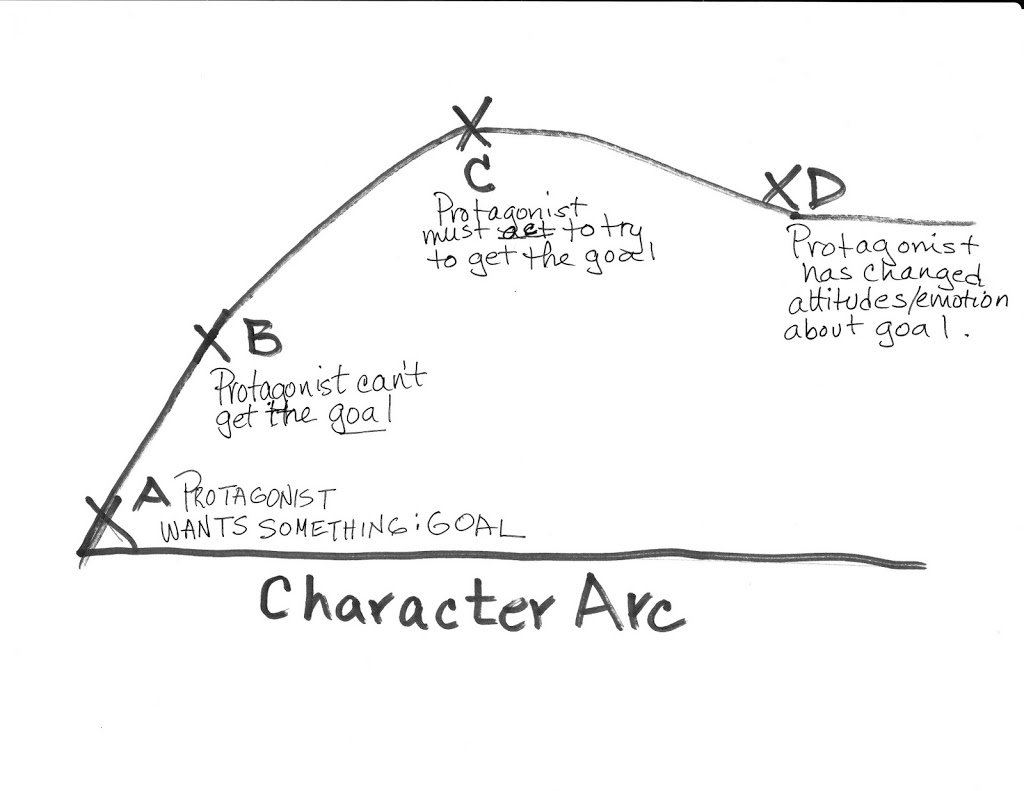
Ariel's character arc is a masterclass in growth, evolving from innocent curiosity to determined action and ultimate self-discovery.
Her journey begins with a naive fascination, collecting "dinglehoppers" and dreaming of a world she barely understands. This phase is characterized by childlike wonder and a touch of recklessness, egged on by her sidekicks. The turning point arrives with her desperate deal with Ursula, a moment of profound sacrifice and commitment to her desires. By giving up her voice, she loses her primary means of expression in her previous life, forcing her to adapt and communicate in new ways on land.
Life on land presents numerous challenges: navigating human customs, facing Ursula’s deception, and learning to communicate without words. These trials test her resilience, determination, and adaptability. She stumbles, but she never truly gives up. Ultimately, her arc culminates not just in marriage, but in self-discovery. She reconciles her deep love for the human world with her heritage, effectively bridging two disparate worlds. This journey embodies themes of acceptance—both of herself and by others—and a profound understanding of her own identity, showcasing what it truly means to Explore The Little Mermaid's journey Explore The Little Mermaid's journey.
The Supporting Cast: Relationships that Shape the Tide
Ariel’s character development isn't just an internal process; it's heavily influenced by the dynamic relationships she shares with those around her. These interactions provide conflict, support, and context for her choices.
- King Triton (Father): Their relationship is the quintessential conflict between tradition and modernity. Triton, a loving but overprotective father, represents the old world and its restrictive rules. His fear for Ariel’s safety and his resistance to change fuel her rebellious streak. Their eventual reconciliation signifies not just a father's acceptance of his daughter's choices, but the blending of two worlds.
- Flounder (Friend): Ariel’s loyal, if timid, best friend. Flounder's unwavering support, despite his own fears, highlights Ariel's charisma and the deep loyalty she inspires. He acts as a witness and gentle enabler of her adventures, providing moments of humor and childlike innocence.
- Sebastian (Mentor/Companion): Initially a reluctant chaperone tasked by Triton to keep Ariel safe, Sebastian embodies the conflict between duty and personal connection. He frequently tries to dissuade her, offering pragmatic (and often frantic) advice. However, his gradual admiration for Ariel's determination eventually leads him to actively help her, becoming a reluctant ally and a comedic foil.
- Prince Eric (Love Interest): Eric is central to Ariel's motivations, not just as a romantic partner but as a representation of the human world she longs for. Their mutual admiration and eventual love culminate in her transformation, symbolizing the successful integration of her two desires: to be human and to be loved. Their bond validates her pursuit and provides a sense of belonging she sought.
Beyond the Surface: Symbolism and Deeper Meanings
Ariel's story is rich with symbolism and themes that elevate it beyond a simple fairy tale, offering layers of meaning for audiences of all ages.
- The Sun and Dance: The sun, a recurring motif, symbolizes life beyond the sea, warmth, dreams, and the vibrancy of the human world. For Ariel, it's a beacon of hope and a promise of freedom. Dance, particularly her dream of dancing on human legs, expresses pure joy, liberation, and the uninhibited self-expression she craves.
- Conflict Between Tradition and Modernity: The underwater world, ruled by King Triton, represents established tradition, strict rules, and a fear of the unknown. Ariel, with her longing for the surface, embodies a modern desire for change, exploration, and individual self-expression. Her journey highlights the tension between preserving heritage and embracing progress.
- Transformation and Identity: Ariel’s physical transformation from mermaid to human is the most overt symbol of her internal journey. It mirrors her quest to find her true self and her place in the world. It’s a powerful metaphor for personal growth, shedding old skins, and embracing new facets of one's identity.
- Love, Sacrifice, and Agency: Ariel's willingness to sacrifice her voice for love and her dreams showcases the depth of her commitment. However, modern interpretations increasingly emphasize her agency—her conscious choices and control over her destiny—rather than portraying her as a passive victim of circumstance. She actively pursues her goals, challenging the narrative of a damsel awaiting rescue and promoting themes of self-empowerment. This makes her story a vital reference point when writing strong female characters crafting strong female characters.
A Cultural Icon: Ariel's Lasting Legacy
Ariel's character significantly transformed the portrayal of female protagonists in animated films. Prior to her, many heroines were more passive, often waiting to be rescued or defined by their relationships. Ariel, with her active desires, bold actions, and willingness to defy authority, ushered in a new era of dynamic, proactive heroines.
Her story can be analyzed through a feminist lens, emphasizing personal desire, agency, and self-empowerment. While debates persist about her choices (e.g., giving up her voice for a man), her overarching narrative often champions the right to self-determination. She has become a cultural icon, influencing subsequent heroines and inspiring diverse adaptations that align with contemporary values, showing how fairy tales are adapted how fairy tales are adapted to reflect changing societal norms. Her legacy continues to resonate, demonstrating the power of a character who dares to dream beyond her given world.
Crafting Your Own Compelling Characters: Lessons from Ariel's Arc
Ariel’s enduring appeal offers invaluable lessons for writers and storytellers looking to create characters that truly resonate with an audience.
- Develop Multi-Dimensional Backstories: Ariel isn’t just a princess; she’s a collector, an explorer, a rebel with a deep-seated curiosity. Give your characters rich past experiences, motivations, and dreams that inform their present actions and future aspirations. What drives them before the main plot even begins?
- Emphasize Internal Conflicts and Personal Growth: Ariel’s struggle between her duties and her desires is paramount. Show your characters wrestling with internal dilemmas, making difficult choices, and exhibiting resilience in response to challenges. True character development comes from how they evolve through these conflicts.
- Create Strong, Dynamic Relationships: The push-and-pull with King Triton, the unwavering loyalty of Flounder, the reluctant mentorship of Sebastian, and the romantic connection with Eric all add depth to Ariel. Surround your protagonist with characters who challenge, support, and influence them, making relationships dynamic and essential to the emotional arc.
- Weave in Symbolism and Overarching Themes: The sun, the dance, the act of transformation—these elements enrich Ariel’s narrative. Use symbols and themes purposefully to add layers of meaning, allowing your story to resonate on a deeper, more universal level. A well-placed symbol can communicate volumes without lengthy exposition.
- Give Your Character Agency: Modern interpretations highlight Ariel's active choices. Ensure your character isn't just a passive participant but an agent of their own story. Let them make decisions, take risks, and learn from their mistakes, driving the narrative forward with their own will.
Key Takeaways for Storytellers
To create a character as memorable as Ariel, focus on:
- Deep-seated Desire: What does your character desperately want, and why?
- Meaningful Sacrifices: What are they willing to give up for that desire?
- Transformative Journey: How do they change and grow through their experiences?
- Relatable Conflict: What internal and external struggles make them human?
- Active Choices: How do they drive their own narrative, even when faced with overwhelming odds?
What Lies Beneath: Common Questions About Ariel's Journey
Was Ariel selfish for defying her father?
Ariel's actions are often debated. While she disobeys King Triton, her motivations stem from a deep, almost existential yearning for self-discovery and freedom, rather than malicious intent. Her pursuit of identity and a life she believes is meant for her can be seen as an act of self-assertion rather than pure selfishness, challenging the idea that obedience is always the highest virtue.
Did Ariel really give up everything for a boy?
While Prince Eric becomes a catalyst and a symbol of the human world, Ariel's desire for the surface precedes her encounter with him. In many versions, her fundamental motivation is to escape the constraints of her underwater life and explore a world she feels drawn to, or even to gain an immortal soul (Andersen). Eric provides a tangible connection, but her underlying yearning for identity and freedom is the primary driver.
How did Ariel change the portrayal of female characters?
Ariel was a pivotal character because she actively pursued her desires. Unlike many earlier princesses who were more passive or waited for rescue, Ariel initiated her own journey, defied authority, and made significant sacrifices to achieve her goals. This shifted the paradigm towards more active, adventurous, and self-determining female protagonists in animation, inspiring subsequent heroines to take charge of their own stories.
Is Ariel still relevant today?
Absolutely. Ariel's story remains highly relevant as it explores universal themes of identity, rebellion against restrictive norms, the pursuit of dreams, and the search for belonging. Her ongoing adaptations reflect contemporary discussions about agency, self-determination, and the evolving roles of women, ensuring her narrative continues to resonate with new generations.
Embrace Your Own Arc
Ariel’s "Mermaid's Arc" isn't just a beloved fairy tale; it’s a powerful blueprint for character development that transcends the screen or page. It reminds us that the most compelling stories aren't just about happy endings, but about the profound journey of self-discovery, the courage to chase the forbidden, and the transformative power of embracing who you truly are. As you reflect on Ariel's journey, consider the unexplored depths within your own story, or the untold potential in the characters you imagine. What world are you longing to be a part of, and what sacrifices are you willing to make to get there?