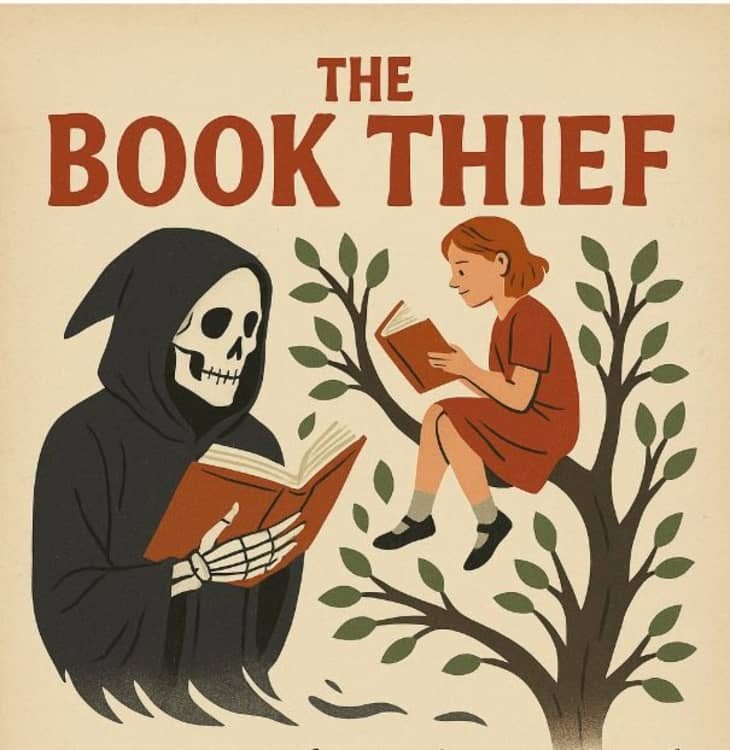
When we dive into literature, we're not just reading words on a page; we're stepping into a world crafted by an author, a world rich with hidden meanings and profound insights. At the heart of this rich tapestry lies Symbolism & Literary Interpretation: Voice, Sacrifice, and Identity—a powerful lens through which we uncover the deeper currents that shape characters, narratives, and our own understanding of the human experience. It's about peeling back the layers to see what an author truly means, not just what they literally say, and how these unspoken elements resonate with universal truths.
At a Glance: Unlocking Literary Symbolism
- Symbolism isn't just decoration: It's a fundamental literary device that imbues objects, people, or ideas with meaning beyond their literal sense, enriching the story with layers of interpretation.
- Three main types: Understand universal (peace dove), cultural (dragons), and literary (Gatsby's green light) symbols to broaden your interpretive toolkit.
- Authors craft meaning: Look for repetition, vivid descriptions, context, and associations to spot how writers embed symbolic depth.
- Symbols reveal core themes: They are crucial for exploring concepts like a character's "voice" (how they express themselves), "sacrifice" (what they give up), and "identity" (who they are becoming).
- Interpretation is a journey: While symbolism invites multiple readings, strong interpretations are always supported by the text itself.
- Why it matters: Engaging with symbolism enhances emotional resonance, deepens thematic understanding, and sparks your imagination as a reader.
More Than Meets the Eye: What is Symbolism, Really?
Imagine a story without hidden depths, without the thrill of uncovering a second, richer meaning. That's a story without symbolism. In literature, a symbol is something—an object, a person, an place, or even an action—that stands for something else. It's a shortcut to complex ideas, emotions, or themes, allowing authors to communicate layers of thought and feeling without explicitly stating them. This technique isn't just clever; it's essential for creating works that resonate deeply and endure through time.
Symbolism elevates a narrative, transforming a simple plot into a profound exploration of human nature. It allows a red rose to speak of love, a storm to foreshadow inner turmoil, or a journey to represent personal growth. This subtle yet powerful device ensures that stories aren't just consumed but experienced, offering endless opportunities for reflection and discussion.
The Many Faces of Symbolic Meaning
While a symbol's power often lies in its subtlety, understanding its origins can illuminate its function:
- Universal Symbols: These are the heavyweights, carrying widely understood meanings across diverse cultures and historical periods. Think of a dove, almost universally recognized as a harbinger of peace, or the color red, often associated with passion or danger. Darkness frequently signals evil or ignorance, while light nearly always represents hope, truth, or enlightenment. These symbols tap into collective human experiences and archetypes.
- Cultural Symbols: The meaning of these symbols is rooted in specific societies or traditions. A dragon, for instance, evokes vastly different images and ideas depending on whether you're in East Asia, where it might symbolize power, wisdom, and good fortune, or in Western folklore, where it often represents chaos, evil, and destruction. Understanding the cultural context is paramount here.
- Literary Symbols: These are the unique creations of an author, where an object, character, or event takes on a specific, often new, symbolic weight within a particular work. While it might draw on universal or cultural associations, the author deliberately imbues it with a deeper, often exclusive, significance for their story. A well-known example is the conch shell in William Golding's Lord of the Flies, which, within that novel, becomes a potent symbol of order, democracy, and civilization.
The Architect's Touch: How Writers Craft Symbolic Meaning
Symbolism isn't accidental; it's meticulously woven into the fabric of a story. Authors employ several techniques to ensure that their chosen symbols resonate with readers:
- Repetition: When an object or idea appears multiple times throughout a narrative, especially in significant moments, it signals its importance. The author is subtly telling you: "Pay attention; this isn't just a random detail."
- Emphasis: Vivid descriptions, unusual placement, or direct authorial attention can highlight a symbol. If a character fixates on a specific item, or if the narration dwells on its details, it's likely serving a symbolic purpose.
- Context: The surrounding events, the emotional landscape, and the actions of characters provide crucial clues. A flowing river might symbolize freedom in one scene but impending doom in another, depending on the narrative's context.
- Association: Authors often link symbols to specific emotions, characters, or recurring ideas. If a particular object always appears when a character feels trapped, that object begins to associate with the theme of confinement.
Consider the literary examples that have become touchstones: - In Nathaniel Hawthorne's The Scarlet Letter, the prominent 'A' initially marks Hester Prynne's adultery, a public condemnation. But as the story unfolds, through her resilience and acts of charity, the 'A' subtly shifts, coming to represent "Able," "Anguish," and even "Acceptance," embodying the evolving nature of her identity and society's perception.
- F. Scott Fitzgerald's The Great Gatsby gives us the mysterious green light at the end of Daisy's dock. This beacon symbolizes Gatsby's unattainable dream of reuniting with Daisy, representing his deep yearning for the past. More broadly, it critiques the illusory nature of the American Dream, ever-present but just out of reach.
- Harper Lee’s To Kill a Mockingbird introduces the powerful symbol of the mockingbird itself. Atticus Finch's wisdom—"It's a sin to kill a mockingbird"—establishes these birds as symbols of innocence and harmlessness. Characters like Tom Robinson and Boo Radley, who do no harm but are persecuted, embody this symbol, underscoring the novel's themes of justice and prejudice.
- Beyond the conch, Golding's Lord of the Flies also features Piggy's glasses. Initially a tool for making fire, they quickly become a symbol of intellect, reason, and scientific understanding. Their repeated loss and breakage parallel the boys' descent into savagery, where rational thought gives way to primal instinct.
- Herman Melville's Moby Dick features the titular white whale, a complex symbol open to many interpretations. It can represent the unknowable, terrifying forces of nature, Captain Ahab's destructive obsession, or humanity's relentless (and often futile) quest for meaning in a chaotic universe.
Voice, Sacrifice, and Identity: A Symbolic Dance
Now, let's bring it back to our core themes. How does symbolism specifically illuminate concepts of voice, sacrifice, and identity within a literary work?
Finding Your Voice Through Symbols
A character's "voice" isn't just how they speak; it's their unique perspective, their way of existing and expressing themselves in the world. Symbolism can powerfully convey this.
- The Unspoken Voice: Sometimes, characters express their true selves not through dialogue, but through their association with a symbol. A character who constantly tends a wilting garden might be silently voicing their despair or their desperate hope for revival.
- Voice of Rebellion: A symbol might become a character's chosen emblem of defiance. Think of a specific piece of clothing or a repeated gesture that becomes synonymous with their challenge to authority or their assertion of individuality.
- Collective Voice: Symbols can also represent the shared voice of a group, a nation, or a movement, giving form to their aspirations, grievances, or traditions.
The Weight of Sacrifice: Revealed Through Symbolism
Sacrifice, the act of giving something up for a greater cause or ideal, is a profound theme across literature. Symbolism makes these acts tangible and emotionally resonant.
- Material Sacrifice: An object of great personal value, when relinquished or destroyed, can powerfully symbolize the material sacrifice a character makes. It's not just the loss of the item, but what it represents – security, comfort, or a connection to the past.
- Symbolic Martyrdom: The death of a character, particularly if they embody a specific ideal or hope, can become a symbol of martyrdom, elevating their physical end into a spiritual or ideological triumph. Their sacrifice then becomes a catalyst for change or a lasting inspiration.
- The Price of Progress: Symbols can illustrate the "terrible beauty" of sacrifice—the idea that something precious must be given up for something new and potentially better to emerge. This paradox often lies at the heart of revolutionary narratives.
Forging Identity: A Symbolic Journey
Identity—who we are, who we think we are, and who we are becoming—is a fluid and complex concept. Symbols provide anchors and signposts along this journey.
- Shifting Identities: As characters evolve, the symbols associated with them might change or take on new meanings, illustrating their transformation. A youthful emblem might be discarded for a more mature one, or an old symbol re-embraced with new understanding.
- National vs. Individual Identity: Symbolism is often used to explore the tension between personal desires and collective affiliations. An individual might struggle with a symbol that represents their nation's history or expectations, questioning if their personal identity can coexist with a larger, collective one.
- The Search for Belonging: A recurring symbol of home, a specific landscape, or a cultural artifact can highlight a character's search for belonging and their attempt to define themselves in relation to their roots or chosen community. This theme often resonates deeply, much like we Explore the Little Mermaids Journey through identity and belonging.
Case Study: W.B. Yeats' "Easter, 1916" – A Masterclass in Symbolic Power
To truly grasp how symbolism interweaves with voice, sacrifice, and identity, let's turn to a masterful example: W.B. Yeats’s iconic poem, “Easter, 1916.” This poem isn't just a historical account; it's a profound meditation on the cost of nation-building and the complex birth of a new identity.
Set against the backdrop of the failed Easter Rising in Dublin on April 24, 1916, against British rule, Yeats grapples with the violent events and their aftermath. The rebellion, though militarily unsuccessful, ignited a powerful shift in Irish politics and culture, a "terrible beauty" born from bloodshed.
The Title: A Seed of Symbolism
Even the title, "Easter, 1916," is a carefully chosen symbol.
- Historical Context: It immediately situates the poem in a specific historical moment, anchoring it to the rebellion.
- Religious Allusion: More profoundly, "Easter" alludes to the Christian holiday's themes of resurrection, renewal, and sacrifice. This connection elevates the rebels' deaths to a form of martyrdom, linking their sacrifice for Irish independence to Christ's ultimate sacrifice and the promise of rebirth. It hints at a future awakening, a national resurrection.
- Identity in Flux: The title subtly introduces the tension between individual identity (the specific people involved) and national identity (the aspirations of Ireland).
Characters as Symbols of Voice and Identity
Yeats introduces key figures not just as individuals, but as symbols embodying different aspects of Irish identity and voice:
- Executed Leaders (MacDonagh, MacBride, Connolly, Pearse): Initially described with a detached, even critical tone ("He, too, has been changed in his turn, / Transformed utterly"), they are ultimately depicted heroically. Their transformation from ordinary individuals into national martyrs symbolizes the radical shift in public perception and the birth of a new, defiant Irish identity. Their deaths give voice to a collective nationalist yearning that was previously muted.
- "The woman who dreamed of a separate nation" (likely Countess Markievicz): She symbolizes the passionate, almost mythic, embodiment of Ireland's aspirations for self-determination. Her dream is the collective voice of a people yearning for sovereignty.
Nature, Stone, and the Cyclical Sacrifice
Yeats employs powerful imagery and symbols to explore sacrifice and the cyclical nature of history:
- Nature's Contrast: The "grey, eighteenth-century houses" of Dublin represent the mundane, stagnant reality of Irish life under British rule, a passive acceptance. This contrasts sharply with the "green waters" of the River Liffey, or allusions to "bee-loud glade" or "lake water." Nature here symbolizes the eternal, cyclical forces of life, death, and renewal, offering a constant backdrop to human turmoil. It provides a timeless context for the rebels' sacrifice, suggesting that even amidst destruction, life persists and change is inevitable.
- "All changed, changed utterly: A terrible beauty is born": This repeated refrain is the poem's central paradox and most potent symbol. The "terrible" acknowledges the violence, destruction, and tragic loss of life, the immediate cost of the Rising. The "beauty," however, refers to the courage, conviction, and the profound birth of a new, unified national identity that emerged from the ashes. It symbolizes the idea that profound change, even national rebirth, often demands immense sacrifice and bloodshed. It’s the voice of a new era, forged in fire.
- The "Stone": "A stone in the midst of all" refers to the General Post Office (GPO), the headquarters of the Rising. This stone is a powerful symbol of Irish strength, endurance, and resilience. Unlike the mutable "living stream" of nature, the stone represents an unyielding, fixed determination, a solid foundation for the new national identity forged by sacrifice. It is the silent, unwavering voice of nationalist resolve.
- Irish Mythology: Though not explicitly detailed in the context, Yeats often drew on figures like Cuchulainn and Finn MacCool in his broader work. Such references, even in subtle allusions, connect the modern heroes to an ancient lineage of Irish heroism and sacrifice, embedding their actions within a timeless narrative of national struggle and transformation. This links individual sacrifice to a collective, legendary identity.
The Ambiguous Call to Action: A Question of Voice
The poem functions as a political message, yet its ending, "A terrible beauty is born," remains ambiguous.
- Hope and Rebirth: For some, it's a voice of hope, signaling the necessary birth of a new, independent Ireland.
- Ominous Warning: For others, it carries an ominous undertone, suggesting that the cycle of violence and sacrifice might continue indefinitely. This ambiguity is Yeats's way of giving voice to the complex, unresolved emotions surrounding the Rising, acknowledging the high cost while affirming the profound change.
"Easter, 1916" is a testament to the enduring power of symbolism. It masterfully uses imagery, character, and paradox to explore the profound interplay of national voice, the necessity and cost of sacrifice, and the forging of a collective identity.
Unpacking Symbolic Meaning: Your Guide to Interpretation
Understanding symbolism isn't just about identifying it; it's about interpreting what it means within the context of the story. Here's a practical guide:
Step 1: Spotting the Potential Symbol
- Look for Repetition: Does an object, color, animal, or phrase appear multiple times?
- Notice Emphasis: Is something described in unusual detail? Is a character unusually fixated on it?
- Consider Out-of-Place Elements: Does something seem slightly off or unusually prominent in its setting?
- Pay Attention to Titles & Names: Do they carry connotations beyond their literal meaning?
Step 2: Context is King
Once you've identified a potential symbol, don't jump to conclusions. Its meaning is almost always tied to its surroundings:
- Character Association: Which characters interact with the symbol? What are their traits, motivations, and conflicts? How do their feelings change towards it?
- Plot Events: What is happening in the story when the symbol appears? Is it a moment of crisis, triumph, despair, or revelation?
- Setting & Atmosphere: Does the symbol appear in a specific type of environment (e.g., a dark forest, a vibrant garden)? How does it contribute to the mood?
- Recurring Themes: What larger ideas (love, loss, freedom, oppression) is the story exploring? How might the symbol relate to these?
Step 3: Ask "What Else Could This Mean?"
This is the heart of interpretation. Move beyond the literal.
- Brainstorm Associations: What does the object/person/idea typically represent in culture, mythology, or universally? (e.g., water = cleansing, life, destruction; birds = freedom, messengers).
- Consider Opposites: If light symbolizes hope, what might its absence mean?
- Relate to Human Experience: What universal emotions or struggles might this symbol evoke?
Step 4: Formulate and Support Your Interpretation
- Propose a Meaning: State what you believe the symbol represents (e.g., "The caged bird symbolizes the protagonist's suppressed desires for freedom").
- Cite Textual Evidence: Crucially, back up your claim with specific examples from the story – direct quotes, descriptions, plot points, character actions. This is what makes your interpretation trustworthy.
- Acknowledge Nuance: Good interpretations often aren't black and white. A symbol can have multiple, even contradictory, meanings. Acknowledge this complexity.
Common Misconceptions About Symbolism
- "Everything is a symbol": Not quite. While authors are deliberate, not every detail carries symbolic weight. Focus on elements that are repeated, emphasized, or seem significant within the narrative.
- "There's only one right answer": While some symbols have widely accepted meanings, literary interpretation is rarely about finding a single "correct" meaning. Strong interpretations are those that are well-supported by the text and offer compelling insights, even if different readers arrive at different conclusions.
- "Symbolism is just for deep, complex novels": Even simpler stories or poems can employ powerful symbols. The complexity lies in the interpretation, not necessarily the apparent simplicity of the symbol itself.
The Unseen Power: Why We Engage with Symbolism
Understanding symbolism is more than an academic exercise; it's about enriching your entire reading experience:
- Adding Depth and Resonance: Symbols give stories an incredible sense of depth, allowing them to resonate with readers on an emotional and intellectual level far beyond the surface plot. They tap into our collective unconscious and personal experiences.
- Enhancing Thematic Development: Key themes become more vivid and memorable when expressed through concrete symbols. Abstract ideas like freedom, oppression, or love gain tangible form, making them easier to grasp and connect with.
- Engaging the Reader's Imagination: By requiring interpretation, symbolism actively involves you in the storytelling process. You become a co-creator of meaning, making the reading experience more dynamic and personal.
- Timeless Relevance: Stories rich in symbolism often transcend their original time and place. Their symbols connect to universal human experiences, allowing them to remain relevant and powerful for generations.
Your Next Chapter: Becoming a Master Interpreter
As you continue your journey through literature, keep an eye out for these powerful symbolic clues. Training your mind to recognize and interpret them will transform your reading, turning every story into a deeper conversation with the author and with humanity itself. You’ll begin to see how every carefully placed object, every repeated phrase, and every significant character choice contributes to the overall message, particularly as it relates to the expression of voice, the weight of sacrifice, and the evolving nature of identity.
So, pick up your next book, open your mind, and embark on the exciting quest to uncover the "terrible beauty" and profound truths hidden within its symbolic heart. The more you practice, the more fluent you'll become in the unspoken language of literature, and the richer your world will grow.